Buy futbolinspain.com ?
We are moving the project
futbolinspain.com .
Are you interested in purchasing the domain
futbolinspain.com ?
domain@kv-gmbh.de · 0541-91531010
Buy futbolinspain.com ?
Is there still Prussian and German culture in western Poland?
Yes, there is still a presence of Prussian and German culture in western Poland, particularly in areas that were historically part of Prussia and later Germany. This can be seen in the architecture, cuisine, and traditions of the region. Additionally, there are still German-speaking communities in some parts of western Poland, particularly in areas near the border with Germany. However, it's important to note that the influence of Prussian and German culture has been significantly diminished due to the shifting borders and population movements that occurred during and after World War II. **
How did Bismarck use the Prussian-French conflict to establish the German Empire under Prussian leadership?
Bismarck used the Prussian-French conflict to unite the German states under Prussian leadership by manipulating the situation to create a sense of national unity against a common enemy. By provoking France into declaring war on Prussia, Bismarck was able to rally the German states to support Prussia in the war effort. Prussia's decisive victory over France in the Franco-Prussian War in 1871 allowed Bismarck to establish the German Empire, with King Wilhelm I of Prussia being proclaimed Emperor of Germany in the Hall of Mirrors at the Palace of Versailles. **

Similar search terms for Inspired-Finds-German-Prussian
Top-Angebote
Products related to Inspired-Finds-German-Prussian:
-
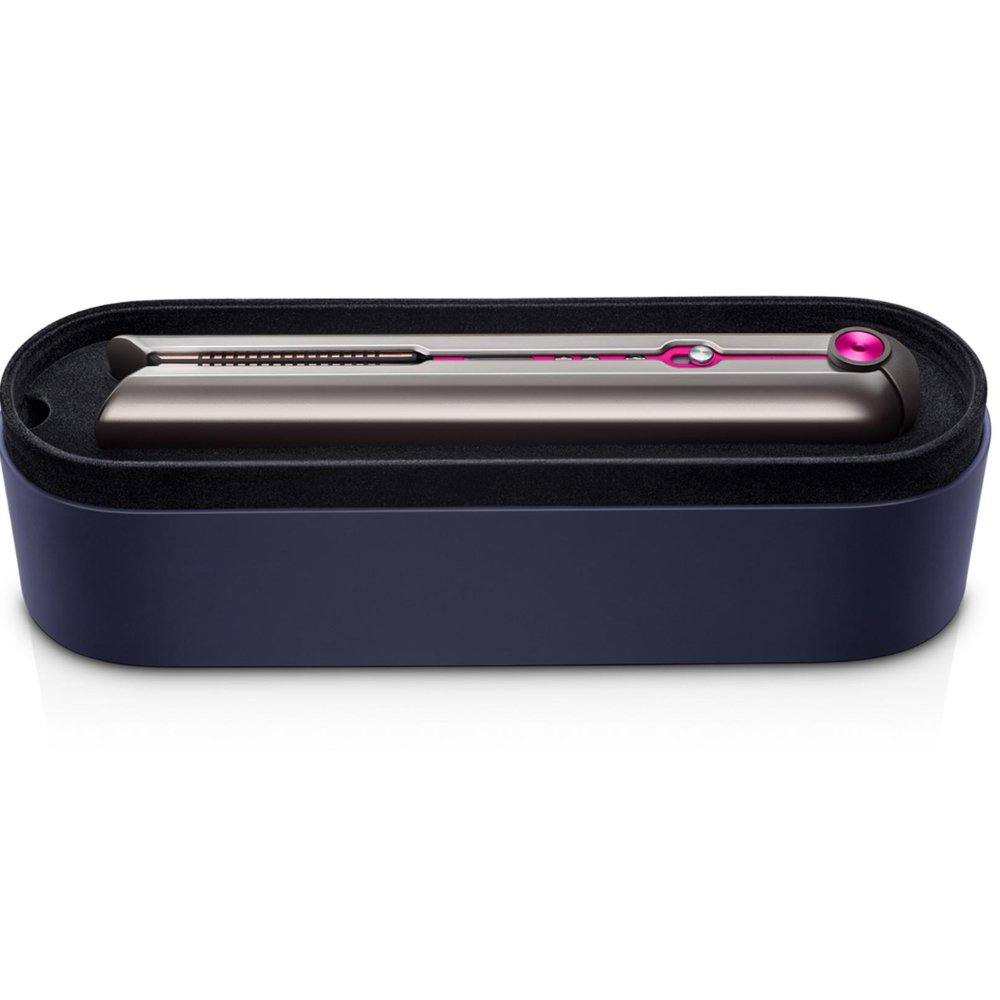
Dyson Corrale Presentation Case 1 un. Prussian BlueA skin-care product. Protect and showcase your Corrale with 's stylish Presentation Case*. Keep your tool safe from dents, dust, and scratches while adding elegance to your beauty setup. Safely stores Corrale. Soft, padded interior prevents dents and scratches. Durable PU leather finish resists dust and easy to clean.44,55 £*Shipping: 15,83 £Secure redirect to the provider
-
Why is Prussian German history always equated with the Nazis?
Prussian German history is often equated with the Nazis because the Prussian state played a significant role in the formation of the German Empire, which later became the foundation for the Nazi regime. The militaristic and authoritarian traditions of Prussian society, as well as its emphasis on discipline and obedience, are often seen as contributing factors to the rise of the Nazi party and its ideology. Additionally, Prussia's role in the unification of Germany and its subsequent dominance within the empire has led to its association with the aggressive and expansionist policies pursued by the Nazis. As a result, Prussian German history is often linked to the rise of Nazism and the atrocities committed during the Nazi era. **
-
Am I Prussian?
Without more information about your background and ancestry, it is difficult to definitively say whether you are Prussian. Prussia was a historical state in what is now Germany, Poland, Russia, and Lithuania. If you have ancestors from this region or can trace your heritage back to Prussian roots, then you may have Prussian heritage. However, Prussia no longer exists as a political entity, so being Prussian today would be more about cultural or historical connection rather than nationality. **
-
Is it said "inspired by" or "inspired through"?
The correct phrase is "inspired by." This phrase is commonly used to indicate that something has influenced or sparked creativity in someone. "Inspired through" is not a standard phrase used in this context. **
-
Do you say "inspired by" or "inspired through"?
Both "inspired by" and "inspired through" are commonly used phrases, but they have slightly different meanings. "Inspired by" is used to indicate the source or origin of inspiration, such as "This painting was inspired by nature." On the other hand, "inspired through" is used to indicate the means or channel of inspiration, such as "She was inspired through her travels." Both phrases are correct, but it's important to use the one that best conveys the intended meaning in a given context. **
Is the German school system an invention of the former Prussian system?
Yes, the German school system is largely an invention of the former Prussian system. The Prussian education system, developed in the 18th and 19th centuries, emphasized universal education, compulsory schooling, and standardized curriculum. Many of the features of the Prussian system, such as the division of students into different types of schools based on academic ability, still exist in the modern German education system. Additionally, the Prussian system's emphasis on discipline, order, and obedience has had a lasting impact on the culture and structure of German schools. **
What is Prussian riding?
Prussian riding, also known as classical dressage, is a style of horseback riding that originated in Prussia (now part of Germany) in the 18th century. It emphasizes harmony and communication between the rider and the horse, focusing on precise movements and balance. Prussian riding is characterized by its emphasis on lightness, flexibility, and collection, as well as the development of the horse's natural movements and abilities. It is considered a highly disciplined and elegant form of riding, and is often practiced as a competitive sport and as a form of artistic expression. **
Top-Angebote
Products related to Inspired-Finds-German-Prussian:
-
Inspired Finds German Prussian Kids Costume Plastic Helmet Cosplay Prop German Prussian Kids Costume Plastic Helmet Cosplay PropTurn playtime into an adventure with this retro style german helmet inspired plastic helmet for kids. Designed as a lightweight, wearable prussian helmet, it is perfect for dress up, school plays, themed parties, and photo shoots. The shiny finish...47,99 $*Shipping: 0,00 $Secure redirect to the provider
-
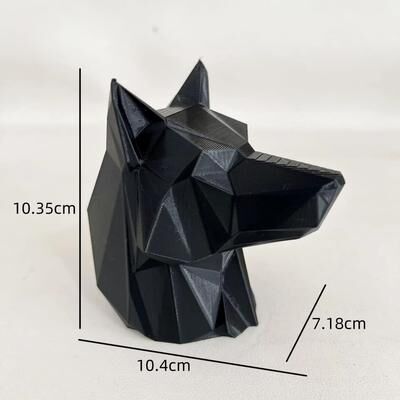
Inspired Finds Dog Head Tow Hitch Ball Cover 50mm Universal Trailer Ball Protector Cap german ShepherdAdd personality to your ride while keeping your tow setup protected with this fun and functional tow hitch ball cover. Designed in a playful dog head shape, this trailer hitch ball cover not only stands out but also shields your tow ball from dirt,...34,99 $*Shipping: 0,00 $Secure redirect to the provider
-
Dyson Corrale Presentation Case 1 un. Prussian BlueA skin-care product. Protect and showcase your Corrale with 's stylish Presentation Case*. Keep your tool safe from dents, dust, and scratches while adding elegance to your beauty setup. Safely stores Corrale. Soft, padded interior prevents dents and scratches. Durable PU leather finish resists dust and easy to clean.44,55 £*Shipping: 15,83 £Secure redirect to the provider
-
Is there still Prussian and German culture in western Poland?
Yes, there is still a presence of Prussian and German culture in western Poland, particularly in areas that were historically part of Prussia and later Germany. This can be seen in the architecture, cuisine, and traditions of the region. Additionally, there are still German-speaking communities in some parts of western Poland, particularly in areas near the border with Germany. However, it's important to note that the influence of Prussian and German culture has been significantly diminished due to the shifting borders and population movements that occurred during and after World War II. **
-
How did Bismarck use the Prussian-French conflict to establish the German Empire under Prussian leadership?
Bismarck used the Prussian-French conflict to unite the German states under Prussian leadership by manipulating the situation to create a sense of national unity against a common enemy. By provoking France into declaring war on Prussia, Bismarck was able to rally the German states to support Prussia in the war effort. Prussia's decisive victory over France in the Franco-Prussian War in 1871 allowed Bismarck to establish the German Empire, with King Wilhelm I of Prussia being proclaimed Emperor of Germany in the Hall of Mirrors at the Palace of Versailles. **
-
Why is Prussian German history always equated with the Nazis?
Prussian German history is often equated with the Nazis because the Prussian state played a significant role in the formation of the German Empire, which later became the foundation for the Nazi regime. The militaristic and authoritarian traditions of Prussian society, as well as its emphasis on discipline and obedience, are often seen as contributing factors to the rise of the Nazi party and its ideology. Additionally, Prussia's role in the unification of Germany and its subsequent dominance within the empire has led to its association with the aggressive and expansionist policies pursued by the Nazis. As a result, Prussian German history is often linked to the rise of Nazism and the atrocities committed during the Nazi era. **
-
Am I Prussian?
Without more information about your background and ancestry, it is difficult to definitively say whether you are Prussian. Prussia was a historical state in what is now Germany, Poland, Russia, and Lithuania. If you have ancestors from this region or can trace your heritage back to Prussian roots, then you may have Prussian heritage. However, Prussia no longer exists as a political entity, so being Prussian today would be more about cultural or historical connection rather than nationality. **
Similar search terms for Inspired-Finds-German-Prussian
-
Is it said "inspired by" or "inspired through"?
The correct phrase is "inspired by." This phrase is commonly used to indicate that something has influenced or sparked creativity in someone. "Inspired through" is not a standard phrase used in this context. **
-
Do you say "inspired by" or "inspired through"?
Both "inspired by" and "inspired through" are commonly used phrases, but they have slightly different meanings. "Inspired by" is used to indicate the source or origin of inspiration, such as "This painting was inspired by nature." On the other hand, "inspired through" is used to indicate the means or channel of inspiration, such as "She was inspired through her travels." Both phrases are correct, but it's important to use the one that best conveys the intended meaning in a given context. **
-
Is the German school system an invention of the former Prussian system?
Yes, the German school system is largely an invention of the former Prussian system. The Prussian education system, developed in the 18th and 19th centuries, emphasized universal education, compulsory schooling, and standardized curriculum. Many of the features of the Prussian system, such as the division of students into different types of schools based on academic ability, still exist in the modern German education system. Additionally, the Prussian system's emphasis on discipline, order, and obedience has had a lasting impact on the culture and structure of German schools. **
-
What is Prussian riding?
Prussian riding, also known as classical dressage, is a style of horseback riding that originated in Prussia (now part of Germany) in the 18th century. It emphasizes harmony and communication between the rider and the horse, focusing on precise movements and balance. Prussian riding is characterized by its emphasis on lightness, flexibility, and collection, as well as the development of the horse's natural movements and abilities. It is considered a highly disciplined and elegant form of riding, and is often practiced as a competitive sport and as a form of artistic expression. **
* All prices are inclusive of VAT and, if applicable, plus shipping costs. The offer information is based on the details provided by the respective shop and is updated through automated processes. Real-time updates do not occur, so deviations can occur in individual cases. ** Note: Parts of this content were created by AI.