Buy futbolinspain.com ?
We are moving the project
futbolinspain.com .
Are you interested in purchasing the domain
futbolinspain.com ?
domain@kv-gmbh.de · 0541-91531010
Buy futbolinspain.com ?
Are punctuation marks and emojis analogous?
Punctuation marks and emojis serve different purposes in written communication. Punctuation marks are used to clarify the structure and meaning of a sentence, while emojis are used to convey emotions, tone, and nonverbal cues. While both can enhance written communication, they are not entirely analogous as they serve different functions. Emojis are more akin to nonverbal cues in face-to-face communication, while punctuation marks are more about organizing and clarifying written text. **
Are bat wings homologous or analogous?
Bat wings are homologous structures, meaning they share a common evolutionary origin with the wings of other mammals, such as humans and whales. This suggests that bats, humans, and whales all inherited their limb structure from a common ancestor. In contrast, analogous structures are those that have similar functions but different evolutionary origins, such as the wings of birds and insects. **

Similar search terms for Analogous
Top-Angebote
Products related to Analogous:
-
All Categories Goods Four Players Soccer Tabletop Game, Interactive Remote Control Football Toy, Mini Desktop Sports Competition Set Four Players Soccer Tabletop Game, Interactive Remote Control Football Toy, Mini Desktop Sports Competition SetTurn any table into a fastpaced stadium with this tabletop soccer game designed for nonstop family fun and friendly competition. Perfect for kids, teens, and adults, this interactive mini football set brings everyone together for exciting matches...439,97 $*Shipping: 0,00 $Secure redirect to the provider
-
Inspired Finds Famous Soccer Player Canvas Poster Wall Art For Modern Sports Room Decor 7.87x11.81in Unframed spain Duo EnergyBring the energy of the game into your space with this striking soccer poster wall art that captures iconic football moments in bold, modern style. Designed for fans who live and breathe the sport, this canvas instantly transforms any wall into a...34,99 $*Shipping: 0,00 $Secure redirect to the provider
-
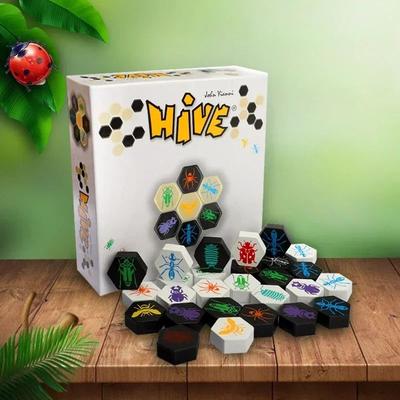
Inspired Finds FamilyFun Hive Wooden Board Game For 2 Players FamilyFun Hive Wooden Board Game For 2 PlayersBring laughter and friendly competition to your home with this highquality wooden board game designed for 2 players and family fun. Perfect for parents and children to enjoy together, the Hive board game offers easytolearn rules and engaging play...43,99 $*Shipping: 0,00 $Secure redirect to the provider



-
Are Maybugs analogous or homologous animals?
Maybugs, also known as cockchafers, are not analogous or homologous to any other animals. They are a unique species of beetle belonging to the family Scarabaeidae. Analogous structures are similar in function but not in structure or evolutionary origin, while homologous structures are similar in structure and evolutionary origin but not necessarily in function. Maybugs do not share these similarities with any other animals, making them a distinct and separate species. **
-
Are mole and mole cricket analogous or homologous?
Mole and mole cricket are analogous structures because they have similar functions (burrowing underground) but do not share a common evolutionary origin. Mole is a mammal, while mole cricket is an insect, so they are not homologous structures. Analogous structures evolve independently in different species to serve the same purpose, while homologous structures are inherited from a common ancestor. **
-
What are homologous and analogous structures in plants?
Homologous structures in plants are features that have a similar underlying structure and origin, but may have different functions. For example, the wings of a bird and the arms of a human are homologous structures because they both have a similar bone structure, even though they serve different purposes. In plants, homologous structures can include similar leaf or flower structures that have evolved from a common ancestor. Analogous structures in plants, on the other hand, are features that have a similar function but different underlying structures and origins. For example, the wings of a bird and the wings of a butterfly are analogous structures because they both serve the function of flight, but have different anatomical origins. In plants, analogous structures can include similar leaf shapes or reproductive structures that have evolved independently in different plant lineages to serve similar functions. **
-
What is the difference between equivalent and analogous?
The main difference between equivalent and analogous is that equivalent refers to things that are equal in value, function, or meaning, while analogous refers to things that are similar in some way but not necessarily equal in value or function. For example, two equivalent fractions have the same value, while two analogous situations may share similarities but have different outcomes. In summary, equivalent implies equality, while analogous implies similarity. **


Are spines and thorns in biology homologous or analogous?
Spines and thorns in biology are considered analogous structures. This means that they have similar functions (protection) but do not share a common evolutionary origin. Spines can be found in a variety of organisms, such as cacti and porcupines, while thorns are typically found in plants like roses and blackberries. Despite their similar functions, spines and thorns evolved independently in different lineages to serve the purpose of defense. **
What is the definition of homologous and analogous organs?
Homologous organs are structures that have a similar origin in different species, suggesting a common evolutionary ancestor. These organs may have different functions in different species but share a common underlying structure. On the other hand, analogous organs are structures that have a similar function in different species but do not share a common evolutionary origin. Analogous organs have evolved independently in different species to serve the same purpose. **
Top-Angebote
Products related to Analogous:
-
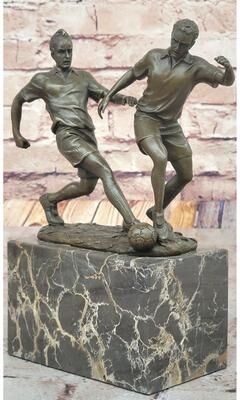
Bronzhaus Bronze Soccer Players Sculpture – Dynamic Dual-Player Figurine On Marble BaseCondition: This sculpture is in perfect condition Bronze Dimensions with Marble Base: Height 9 inches X Width 8 inches Marble Dimensions:5 inches X 3 inches Height without base:6 inches Weight:8 LBS Inventory:61EP7683316 Original or Reproduction:…294,99 $*Shipping: 0,00 $Secure redirect to the provider
-
All Categories Goods Four Players Soccer Tabletop Game, Interactive Remote Control Football Toy, Mini Desktop Sports Competition Set Four Players Soccer Tabletop Game, Interactive Remote Control Football Toy, Mini Desktop Sports Competition SetTurn any table into a fastpaced stadium with this tabletop soccer game designed for nonstop family fun and friendly competition. Perfect for kids, teens, and adults, this interactive mini football set brings everyone together for exciting matches...439,97 $*Shipping: 0,00 $Secure redirect to the provider
-
Are punctuation marks and emojis analogous?
Punctuation marks and emojis serve different purposes in written communication. Punctuation marks are used to clarify the structure and meaning of a sentence, while emojis are used to convey emotions, tone, and nonverbal cues. While both can enhance written communication, they are not entirely analogous as they serve different functions. Emojis are more akin to nonverbal cues in face-to-face communication, while punctuation marks are more about organizing and clarifying written text. **
-
Are bat wings homologous or analogous?
Bat wings are homologous structures, meaning they share a common evolutionary origin with the wings of other mammals, such as humans and whales. This suggests that bats, humans, and whales all inherited their limb structure from a common ancestor. In contrast, analogous structures are those that have similar functions but different evolutionary origins, such as the wings of birds and insects. **
-
Are Maybugs analogous or homologous animals?
Maybugs, also known as cockchafers, are not analogous or homologous to any other animals. They are a unique species of beetle belonging to the family Scarabaeidae. Analogous structures are similar in function but not in structure or evolutionary origin, while homologous structures are similar in structure and evolutionary origin but not necessarily in function. Maybugs do not share these similarities with any other animals, making them a distinct and separate species. **
-
Are mole and mole cricket analogous or homologous?
Mole and mole cricket are analogous structures because they have similar functions (burrowing underground) but do not share a common evolutionary origin. Mole is a mammal, while mole cricket is an insect, so they are not homologous structures. Analogous structures evolve independently in different species to serve the same purpose, while homologous structures are inherited from a common ancestor. **
Similar search terms for Analogous
-
Inspired Finds Famous Soccer Player Canvas Poster Wall Art For Modern Sports Room Decor 7.87x11.81in Unframed spain Duo EnergyBring the energy of the game into your space with this striking soccer poster wall art that captures iconic football moments in bold, modern style. Designed for fans who live and breathe the sport, this canvas instantly transforms any wall into a...34,99 $*Shipping: 0,00 $Secure redirect to the provider
-
Inspired Finds FamilyFun Hive Wooden Board Game For 2 Players FamilyFun Hive Wooden Board Game For 2 PlayersBring laughter and friendly competition to your home with this highquality wooden board game designed for 2 players and family fun. Perfect for parents and children to enjoy together, the Hive board game offers easytolearn rules and engaging play...43,99 $*Shipping: 0,00 $Secure redirect to the provider
-
Inspired Finds Famous Soccer Player Canvas Poster Wall Art For Modern Sports Room Decor 11.81x16.54in Unframed spain Duo EnergyBring the energy of the game into your space with this striking soccer poster wall art that captures iconic football moments in bold, modern style. Designed for fans who live and breathe the sport, this canvas instantly transforms any wall into a...34,99 $*Shipping: 0,00 $Secure redirect to the provider
-
What are homologous and analogous structures in plants?
Homologous structures in plants are features that have a similar underlying structure and origin, but may have different functions. For example, the wings of a bird and the arms of a human are homologous structures because they both have a similar bone structure, even though they serve different purposes. In plants, homologous structures can include similar leaf or flower structures that have evolved from a common ancestor. Analogous structures in plants, on the other hand, are features that have a similar function but different underlying structures and origins. For example, the wings of a bird and the wings of a butterfly are analogous structures because they both serve the function of flight, but have different anatomical origins. In plants, analogous structures can include similar leaf shapes or reproductive structures that have evolved independently in different plant lineages to serve similar functions. **
-
What is the difference between equivalent and analogous?
The main difference between equivalent and analogous is that equivalent refers to things that are equal in value, function, or meaning, while analogous refers to things that are similar in some way but not necessarily equal in value or function. For example, two equivalent fractions have the same value, while two analogous situations may share similarities but have different outcomes. In summary, equivalent implies equality, while analogous implies similarity. **
-
Are spines and thorns in biology homologous or analogous?
Spines and thorns in biology are considered analogous structures. This means that they have similar functions (protection) but do not share a common evolutionary origin. Spines can be found in a variety of organisms, such as cacti and porcupines, while thorns are typically found in plants like roses and blackberries. Despite their similar functions, spines and thorns evolved independently in different lineages to serve the purpose of defense. **
-
What is the definition of homologous and analogous organs?
Homologous organs are structures that have a similar origin in different species, suggesting a common evolutionary ancestor. These organs may have different functions in different species but share a common underlying structure. On the other hand, analogous organs are structures that have a similar function in different species but do not share a common evolutionary origin. Analogous organs have evolved independently in different species to serve the same purpose. **
* All prices are inclusive of VAT and, if applicable, plus shipping costs. The offer information is based on the details provided by the respective shop and is updated through automated processes. Real-time updates do not occur, so deviations can occur in individual cases. ** Note: Parts of this content were created by AI.